Vintage Dresses: How to Recognize the Silhouettes from Decades of Fashion History

Vintage Dresses: How to Recognize the Silhouettes from Decades of Fashion History
Vintage dresses are more than just garments – they are living pieces of history that reflect the changing ideals, lifestyles, and aesthetics of women through the 20th century. Each decade brought its own distinctive silhouette, shaped by social shifts, technological progress, and cultural influences. Learning to recognize these shapes not only helps you date a dress but also deepens your appreciation for its story – and helps you find the style that suits you best. Here’s a guide to identifying the most iconic silhouettes from decades of fashion history, with a special eye on how these styles resonate with vintage lovers in India today.
The 1920s – The Liberated Flapper
After World War I, women’s lives changed dramatically, and fashion followed suit. Corsets were abandoned, and dresses took on a straight, loose silhouette with a dropped waist. The typical 1920s flapper dress hung lightly from the shoulders, often adorned with fringe or beadwork that shimmered as women danced to jazz tunes. Light fabrics like silk, chiffon, and satin were popular, and hemlines rose to the knee – a daring move for the time. The look celebrated freedom, youth, and movement, values that still appeal to modern Indian women who love easy, breathable vintage styles.
The 1930s – Elegance and Fluid Lines
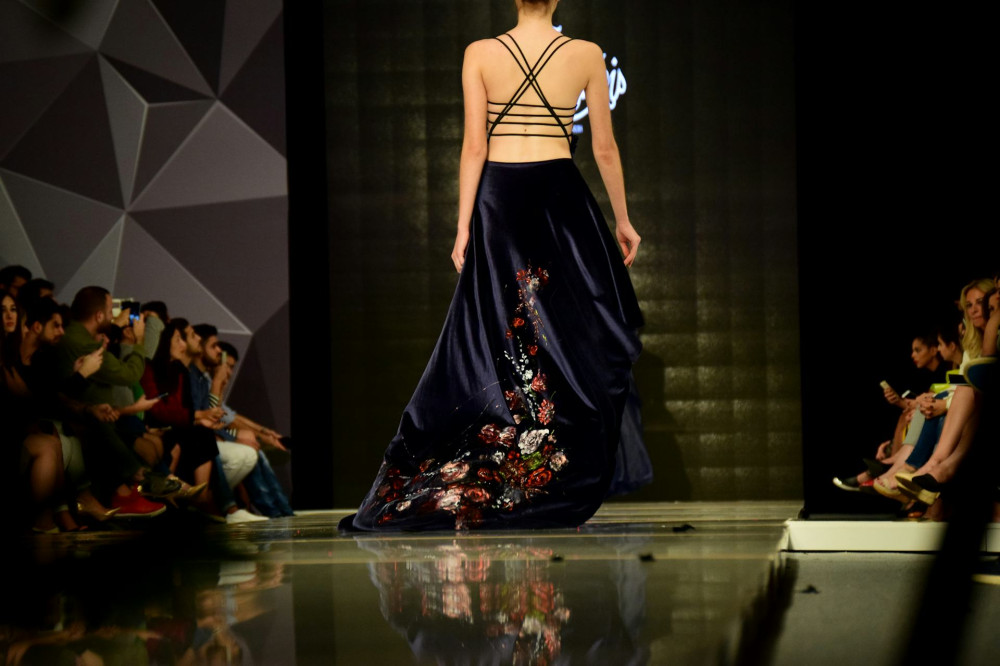
The Great Depression brought a more subdued elegance. The silhouette became softer and more body-conscious, with bias cuts that allowed fabric to drape gracefully. The waist returned as a focal point, and sleeves often had gentle puffs. Hollywood glamour influenced this decade, inspiring Indian designers of the time as well. Long, flowing gowns in satin or crepe reflected sophistication and practicality – a balance that continues to inspire eveningwear in India today.
The 1940s – Function and Strength
The war years demanded practicality. Fabrics were rationed, and dresses became simpler and more structured. The silhouette featured strong shoulders, a defined waist, and knee-length skirts – a look that conveyed resilience and discipline. In India, this era coincided with the independence movement, and women’s clothing also reflected strength and purpose. Many vintage dresses from this time are made of sturdy cotton or wool, with visible seams that highlight craftsmanship.
The 1950s – The Return of the Hourglass
After years of austerity, the 1950s celebrated femininity again. Christian Dior’s “New Look” defined the decade: a cinched waist, full skirt, and a pronounced hourglass figure. Dresses were often made of cotton or taffeta, with petticoats adding volume. This romantic silhouette remains a favorite among vintage enthusiasts in India, especially for festive occasions. The flared skirts and fitted bodices echo the grace of traditional Indian attire while offering a distinctly Western charm.
The 1960s – Youth and Revolution
The 1960s broke away from convention. Hemlines rose, shapes simplified, and the focus shifted from the waist to the legs. The A-line mini dress, popularized by designers like Mary Quant, became a symbol of youthful rebellion. Synthetic fabrics and bold colors dominated, creating a playful, geometric look. In India, this decade saw the rise of modern urban fashion, and the short, structured silhouettes of the time still inspire contemporary Indo-Western designs.
The 1970s – Bohemian Freedom
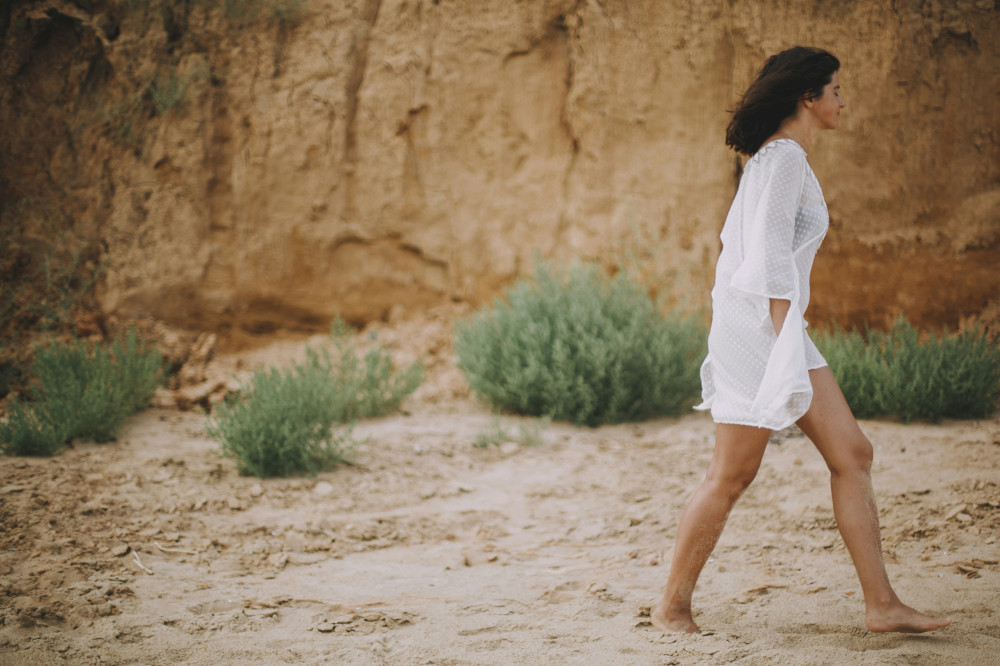
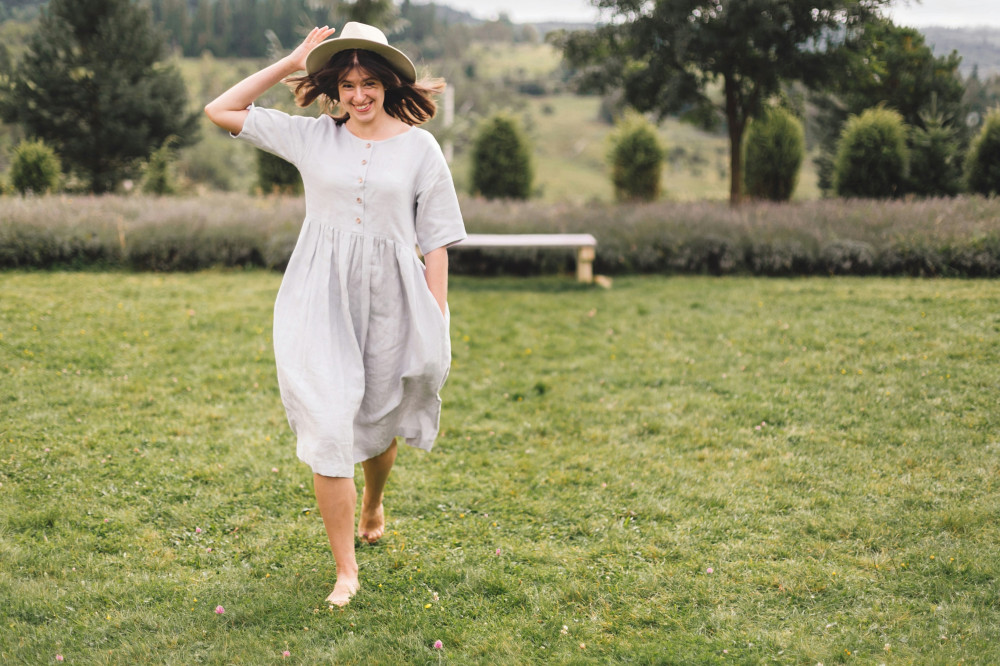
The 1970s embraced individuality and comfort. Dresses were long, flowing, and inspired by bohemian and ethnic influences. Empire waists, ruffles, floral prints, and natural fabrics like cotton and viscose defined the look. This decade’s relaxed, romantic silhouette resonates deeply with Indian sensibilities – think of maxi dresses and block prints that mirror traditional handloom aesthetics. The 1970s spirit of self-expression continues to thrive in India’s vintage and sustainable fashion scenes.
The 1980s – Power and Volume
The 1980s were all about making a statement. Shoulder pads, wide belts, and bold fabrics created a dramatic, confident silhouette. Dresses often featured fitted waists but exaggerated shoulders, with shiny materials and oversized bows. As more women entered the workforce, fashion reflected empowerment. In India, this era’s structured styles found echoes in tailored suits and bold party wear – a celebration of ambition and individuality.
The 1990s – Minimalism and Modern Nostalgia
After the excess of the 1980s, the 1990s embraced simplicity. Slip dresses, often made of satin or jersey, became iconic. The silhouette was sleek, understated, and effortlessly chic. This decade also marked the beginning of the vintage revival, as people started mixing older styles with modern pieces. In India, the minimalist 1990s aesthetic pairs beautifully with contemporary styling – think of a vintage slip dress layered with a handwoven shawl or statement jewelry.
Læs også:



How to Identify a True Vintage Dress
When you come across a dress and want to determine its age, look for these clues:
- Closures: Older dresses often have side zippers or back button plackets.
- Fabrics: Natural fibers like cotton, silk, and wool were common before the 1970s.
- Labels and Stitching: Hand-sewn details and vintage brand tags can reveal authenticity.
- Silhouette: Compare the shape to the defining features of each decade.
Recognizing a dress’s silhouette is like reading a chapter of cultural history. For Indian vintage lovers, it’s not just about fashion – it’s about connecting with stories, craftsmanship, and timeless beauty that transcend borders and generations.
Læs også: