Party Dresses Through the Ages and Traditions: What Suits Each Festival?

Party Dresses Through the Ages and Traditions: What Suits Each Festival?
A party dress has always been more than just a garment – it is a reflection of culture, celebration, and identity. Across centuries and continents, festive attire has evolved to express joy, respect for tradition, and a sense of belonging. In India, where festivals are as diverse as the people themselves, the choice of what to wear is both a matter of style and symbolism. But how have party dresses changed through time, and what suits each festival best today?
From Royal Drapes to Modern Glamour
In ancient India, festive clothing was deeply tied to region and royalty. Queens and noblewomen adorned themselves in rich silks, brocades, and handwoven textiles like Banarasi and Kanchipuram. Gold thread embroidery, zari borders, and precious stones were not just decoration – they were symbols of prosperity and divine blessing.
During the colonial era, Western silhouettes began to influence Indian fashion. The fusion of the gown and the saree gave rise to Indo-Western styles that balanced modesty with modernity. By the mid-20th century, Bollywood had become a major trendsetter, popularising chiffon sarees, sequined lehengas, and elegant anarkalis for festive occasions.
Today, the Indian party dress is a blend of global trends and local craftsmanship. From minimalist gowns with Indian embroidery to sustainable handloom sarees, the modern celebrant chooses attire that reflects both heritage and individuality.
Diwali’s Radiance and Holi’s Colours
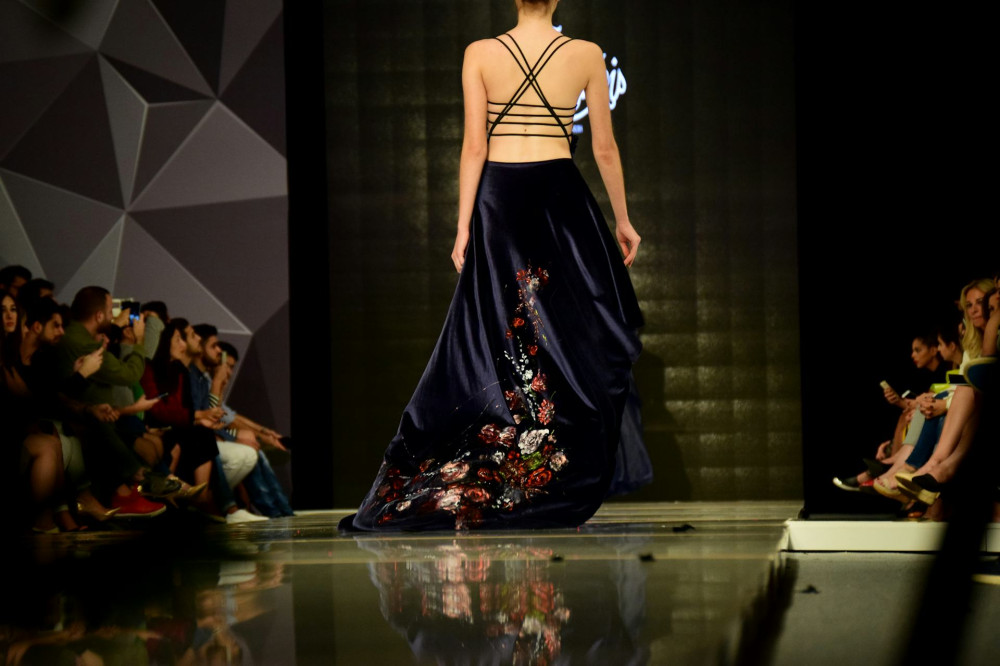
Diwali, the festival of lights, calls for elegance and sparkle. Traditional choices include sarees, lehengas, or salwar suits in rich hues like gold, maroon, and deep green. Fabrics such as silk, velvet, and organza add a regal touch, while jewellery in gold or kundan completes the festive look. For those who prefer a contemporary twist, Indo-Western gowns with subtle shimmer are perfect for evening gatherings.
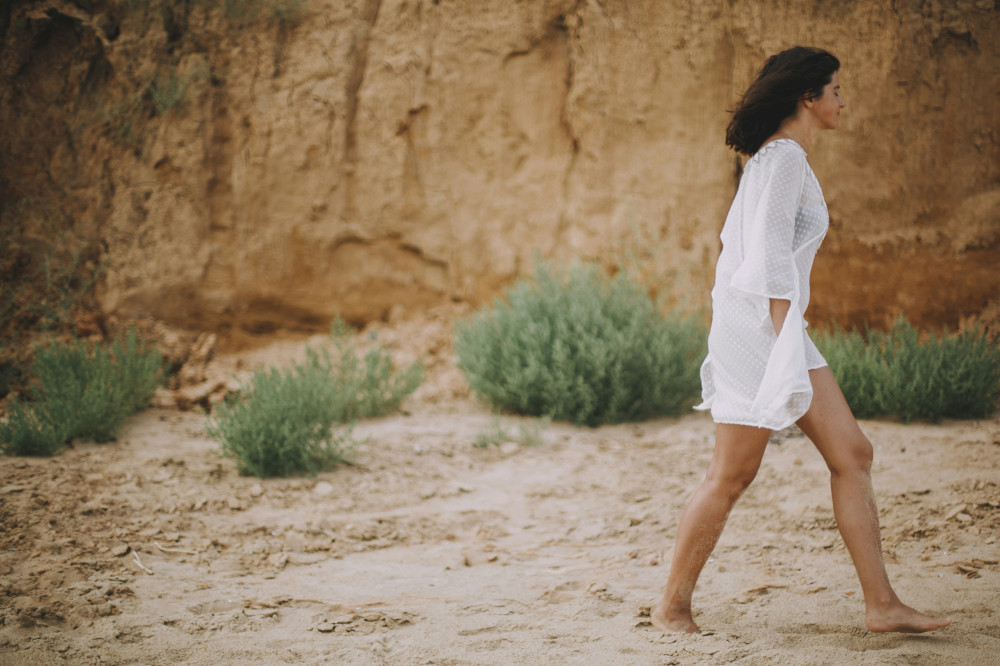
Holi, on the other hand, is all about colour and comfort. White cotton kurtas, light dresses, or simple tunics are ideal, allowing the vibrant powders to take centre stage. The focus here is on playfulness and ease rather than formality – a celebration of joy in its purest form.
Weddings and Family Celebrations – Grace and Etiquette
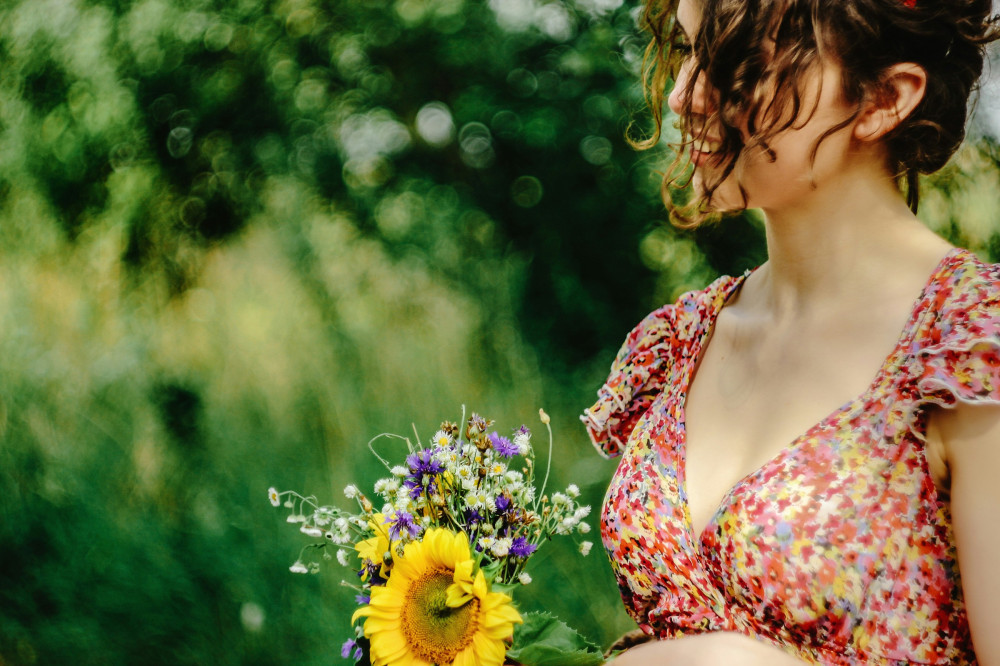
Indian weddings are grand affairs, and the attire reflects that magnificence. Guests often choose lehengas, sarees, or gowns in jewel tones, while the bride’s outfit is traditionally red or gold, symbolising love and prosperity. For daytime ceremonies, pastel shades and floral prints are popular, while evening receptions invite more opulent fabrics and embellishments.
At family gatherings such as anniversaries or milestone birthdays, the dress code is festive yet comfortable. A flowy anarkali, a chic saree, or a fusion dress with ethnic detailing strikes the right balance between tradition and modern flair.
Eid, Navratri, and Christmas – Diversity in Celebration
Eid celebrations bring out graceful ensembles in soft fabrics and intricate embroidery. Long gowns, shararas, or elegant abayas in pastel or jewel tones are often paired with delicate dupattas and statement jewellery. The look is modest yet sophisticated, reflecting the spirit of gratitude and togetherness.
Navratri, the nine nights of dance and devotion, is a riot of colour and rhythm. Women often wear chaniya cholis in bright shades of red, yellow, and blue, adorned with mirror work and tassels. The outfit is designed for movement – perfect for garba and dandiya nights.
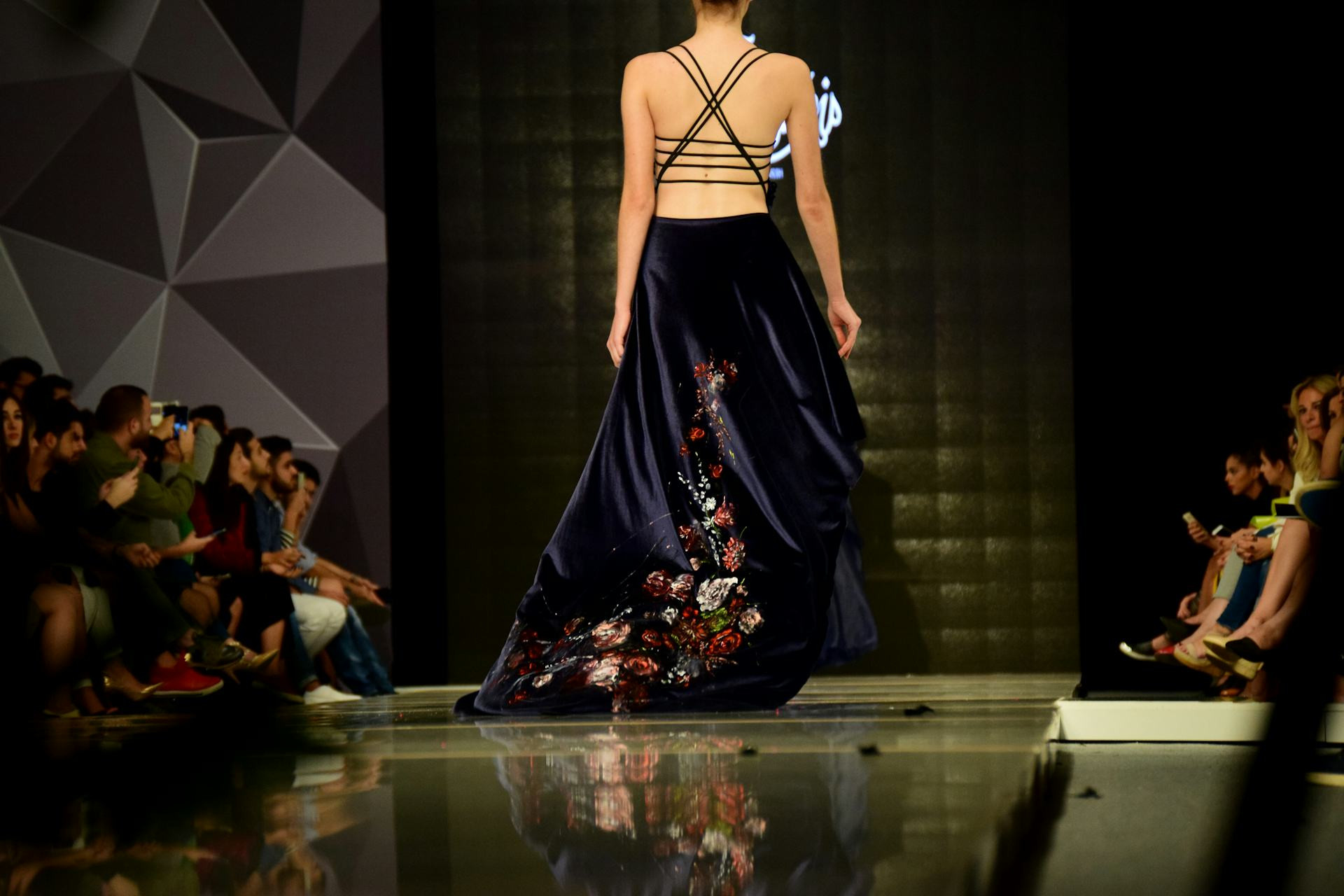
Christmas parties in India blend Western and Indian influences. Many opt for cocktail dresses, elegant sarees, or jumpsuits in festive colours like red, green, and gold. Sequins, lace, and velvet add a touch of glamour, while accessories such as statement earrings or metallic heels complete the look.
Læs også:


Modern Trends: Sustainability and Self-Expression
In recent years, sustainability has become a key theme in Indian fashion. Renting designer outfits, choosing handloom fabrics, or upcycling vintage sarees are popular ways to celebrate responsibly. The focus is shifting from fast fashion to mindful dressing – investing in pieces that tell a story.
Personal style now transcends traditional boundaries. A saree can be draped in a contemporary way for a cocktail party, while a gown with Indian embroidery can shine at a wedding. The modern party dress is not defined by rules but by the confidence and creativity of the wearer.
The Party Dress as a Reflection of Time
From royal courts to modern celebrations, the evolution of the party dress mirrors India’s journey – a blend of heritage, innovation, and diversity. Whether you choose a shimmering lehenga for Diwali, a breezy kurta for Holi, or a sleek gown for a Christmas soirée, the essence remains the same: to celebrate life with grace, joy, and individuality.
After all, a party dress is not just about fashion – it is about honouring tradition, expressing personality, and embracing the spirit of every festival with style and heart.
Læs også: