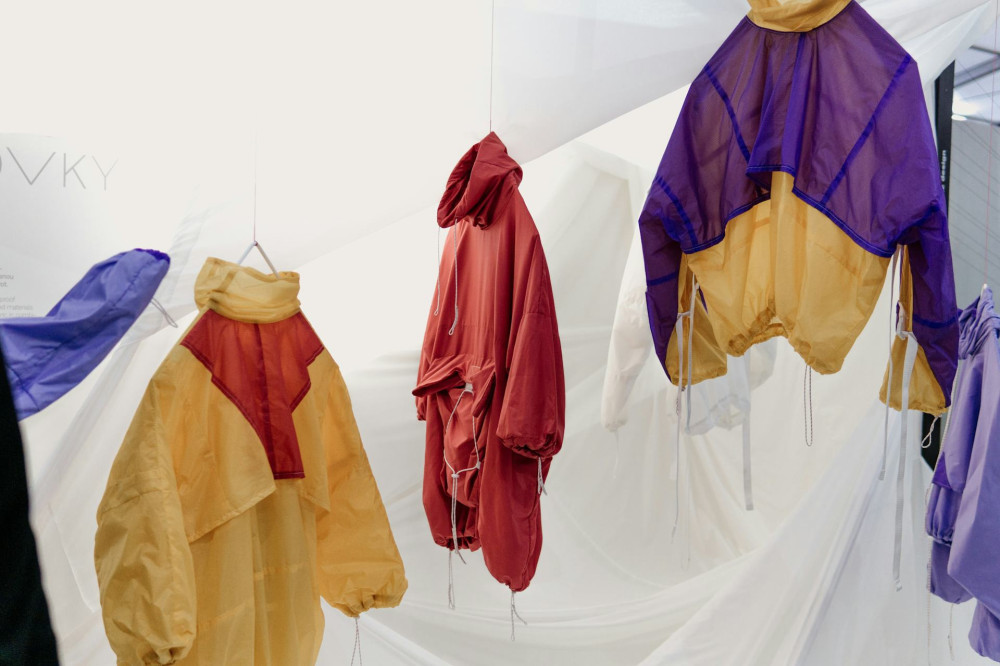
Polyester in the Fashion World: Durability, Shape, and Function

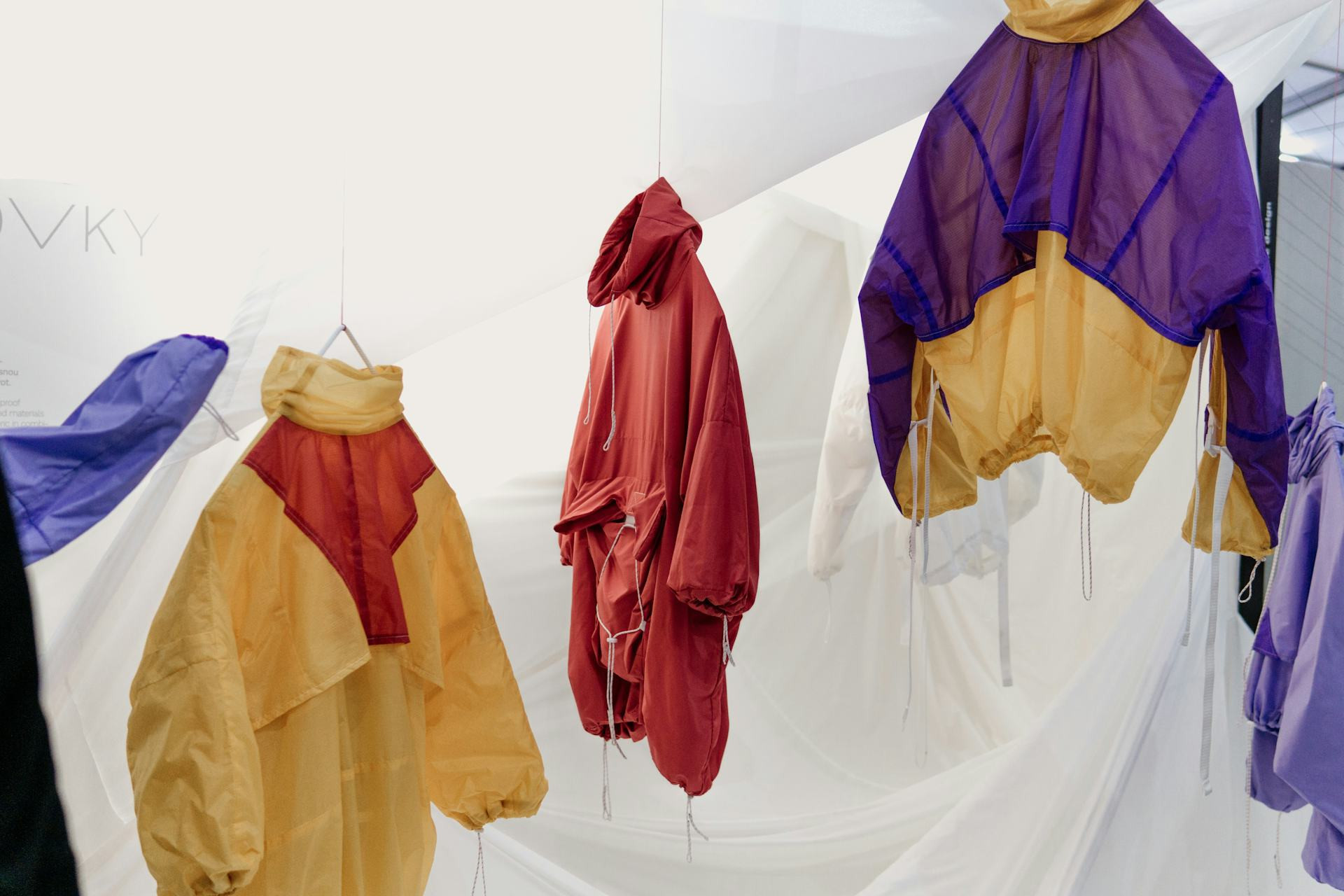
Polyester in the Fashion World: Durability, Shape, and Function
Polyester is one of the most widely used materials in today’s fashion industry—admired by many for its strength and practicality, yet questioned by others for its synthetic nature. But what exactly makes polyester so popular, and why does it continue to dominate everything from sportswear to high fashion? In this article, we explore the qualities that define polyester, its role in the fashion world, and the innovations shaping its future—especially in the context of India’s dynamic textile and apparel market.
A Material Built to Last
Developed in the mid-20th century, polyester was designed as a durable alternative to natural fibres like cotton and wool. It is a synthetic fibre made from petroleum-based products and is known for its exceptional strength and resistance to wear and tear. Polyester garments rarely lose their shape, resist wrinkles, and retain colour even after multiple washes—qualities that make them ideal for everyday wear in India’s diverse climates.
For Indian consumers, durability and easy maintenance are key. Polyester fabrics dry quickly, which is particularly useful in humid regions or during the monsoon season. They also require less ironing and are less prone to shrinking, making them a practical choice for busy urban lifestyles.
Shape and Function in Design
Polyester’s popularity is not only due to its toughness but also its versatility. The fibre can be woven, knitted, or blended in countless ways, allowing designers to create everything from soft, silk-like fabrics to structured, crisp materials. In India, polyester is used across a wide range of clothing—from affordable daily wear and school uniforms to performance sportswear and even designer collections.
In sportswear, polyester is almost indispensable. It wicks moisture away from the body, keeping athletes cool and comfortable in hot conditions. Indian sports brands and global labels alike rely on polyester for cricket jerseys, yoga wear, and running gear. In more formal or festive fashion, polyester blends—such as polyester-cotton or polyester-silk—combine the comfort of natural fibres with the strength and sheen of synthetics, offering both elegance and practicality.
Environmental Challenges and New Solutions
Despite its many advantages, polyester also presents environmental challenges. Since it is derived from fossil fuels, its production contributes to carbon emissions, and the material does not biodegrade naturally. Moreover, polyester fabrics release microfibres during washing, which can end up polluting rivers and oceans.
However, the fashion industry is actively seeking solutions. A growing share of polyester production now comes from recycled polyester, made from discarded plastic bottles or textile waste. This approach reduces dependence on virgin petroleum and helps manage plastic pollution—a particularly relevant issue in India, where plastic waste management is a national priority. Indian textile manufacturers are increasingly investing in recycling technologies and circular production models, aiming to make polyester more sustainable.
Polyester in the Future of Fashion
As sustainability becomes a central theme in global and Indian fashion, perceptions of polyester are changing. Once seen as a “cheap” alternative, it is now recognised as a technical material with great potential—especially when used responsibly. Designers are experimenting with new ways to use polyester, both aesthetically and functionally. It can add a futuristic shine to garments, create lightweight yet durable structures, and blend seamlessly with natural fibres for improved comfort.
At the same time, consumers are becoming more aware of how to care for their clothes—washing less frequently, using cold water, and recycling garments when possible. These habits can significantly extend the life of polyester clothing and reduce its environmental footprint.
Læs også:



A Material in Constant Evolution
Polyester is here to stay—but not necessarily in its current form. The future of polyester will likely be more sustainable, more technologically advanced, and more thoughtfully integrated into the fashion ecosystem. Its combination of durability, shape retention, and functional versatility ensures that it will remain one of the most important materials in the fashion world.
For both designers and consumers in India, the challenge and opportunity lie in balancing functionality with responsibility—and in that balance, polyester continues to play a central role in shaping a more sustainable and innovative fashion future.
Læs også: