Fashion Design Through the Decades: The Trends That Shaped Style

Fashion Design Through the Decades: The Trends That Shaped Style
Fashion has always been more than fabric and thread – it is a reflection of its time. Each decade tells a story through silhouettes, colours, and materials that mirror social change, cultural identity, and technological progress. From the elegance of the 1950s to the conscious creativity of today, fashion has evolved alongside the world. Here’s a look at the trends that have shaped style through the decades, with a special eye on how they resonated in India.
The 1950s – Grace and Reconstruction
The 1950s were marked by optimism and a return to elegance after years of global turmoil. Women’s fashion embraced femininity with cinched waists, full skirts, and soft fabrics, inspired by Christian Dior’s “New Look.” In India, this was the era of independence and national pride. Traditional attire like the sari and salwar kameez flourished, while Western influences began to appear in urban wardrobes. Tailored blouses, pastel shades, and delicate embroidery reflected both modernity and cultural heritage.
The 1960s – Youth, Colour, and Change
The 1960s brought a wave of youthful rebellion and experimentation. Around the world, miniskirts, bold prints, and geometric patterns symbolised freedom and innovation. In India, the decade saw a blend of tradition and modernity – Bollywood icons like Sadhana and Sharmila Tagore popularised bouffant hairstyles, sleeveless blouses, and fitted churidars. Bright colours and playful patterns became a statement of confidence and optimism in a rapidly changing society.
Læs også:
The 1970s – Bohemian Spirit and Disco Glamour
The 1970s were a celebration of individuality. Globally, fashion ranged from hippie-inspired natural fabrics to glittering disco outfits. In India, the bohemian spirit found expression in flowing kurtas, block prints, and handloom textiles. At the same time, the disco era brought sequins, bell-bottoms, and metallic fabrics to the dance floors of Mumbai and Delhi. Designers began to experiment with indigenous crafts, giving traditional techniques a modern twist.
The 1980s – Power Dressing and Bold Statements
The 1980s were all about confidence and excess. Shoulder pads, bright colours, and structured silhouettes dominated Western fashion. In India, women entering the workforce adopted tailored suits and sarees with bold prints, while men embraced sharp blazers and denim. Bollywood stars like Rekha and Amitabh Bachchan influenced everyday style, making glamour and charisma the decade’s defining traits. It was a time when fashion became a symbol of ambition and success.
The 1990s – Minimalism and Street Influence
After the extravagance of the 1980s, the 1990s embraced simplicity. Clean lines, neutral tones, and functional design took centre stage. In India, this was the decade of liberalisation – global brands entered the market, and fashion became more accessible. Jeans, crop tops, and casual wear gained popularity among the youth, while designers like Ritu Kumar and Rohit Bal brought Indian craftsmanship to international attention. The grunge and streetwear movements also found echoes in urban India, where comfort met cool.
The 2000s – Globalisation and Fast Fashion
The new millennium transformed fashion into a global conversation. The rise of the internet and fast fashion brands made trends travel faster than ever. In India, malls and international labels changed shopping habits, while Bollywood continued to set the tone with glamorous red-carpet looks. Low-rise jeans, logo tees, and fusion wear – mixing Western cuts with Indian fabrics – defined the era. Yet, this was also when the first concerns about sustainability and ethical production began to surface.
The 2010s – Digital Influence and Sustainable Thinking
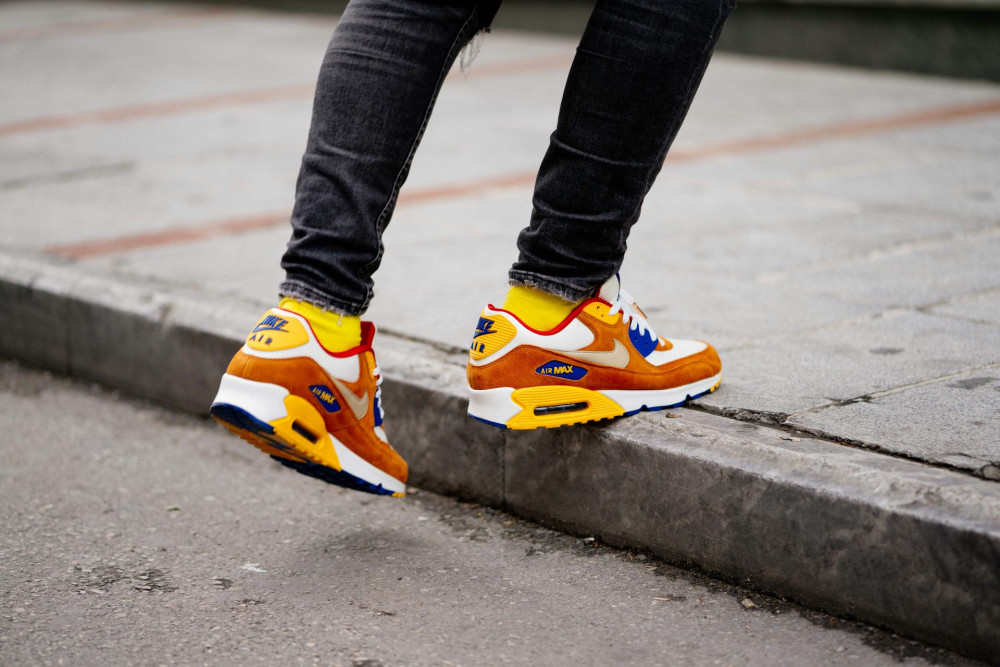
The 2010s were shaped by social media and digital innovation. Instagram and fashion blogs turned influencers into trendsetters, and style became more personal and diverse. In India, designers like Sabyasachi, Manish Malhotra, and Anita Dongre championed craftsmanship and sustainability. Eco-friendly fabrics, handloom revival, and gender-neutral designs gained momentum. Athleisure, sneakers, and minimalistic silhouettes reflected a lifestyle that valued comfort and authenticity.
The 2020s – Conscious Consumption and Cultural Fusion
Today’s fashion is about identity, responsibility, and inclusivity. Consumers are more aware of where their clothes come from and how they are made. In India, there is a renewed appreciation for local artisans, slow fashion, and upcycling. Young designers are blending traditional techniques with futuristic design, creating a global yet distinctly Indian aesthetic. The boundaries between gender, culture, and style are dissolving, allowing everyone to express individuality with purpose.
The Timeless Cycle of Style
Fashion is cyclical – trends return, reinvented for new generations. The bohemian flair of the 1970s, the minimalism of the 1990s, and the boldness of the 1980s continue to inspire today’s designers. Yet, beyond trends, fashion remains a reflection of who we are and what we value. From handwoven saris to digital couture, the story of fashion design through the decades is ultimately a story of creativity, culture, and change.
Læs også: