The Perfect Reading Corner: How to Choose Eye-Friendly Lighting

The Perfect Reading Corner: How to Choose Eye-Friendly Lighting
A cozy reading corner is more than just a comfortable chair and a stack of books – the right lighting makes all the difference. Good lighting can turn reading into a relaxing ritual, while poor lighting can leave your eyes tired after just a few pages. Here’s a guide to choosing lighting that’s both soothing and healthy for your eyes, tailored for Indian homes and conditions.
Why Lighting Matters So Much
When you read, your eyes constantly adjust to focus on small text. If the light is too dim, your eyes strain to see clearly, which can lead to headaches and fatigue. On the other hand, overly bright or harsh light can cause glare and discomfort. The ideal reading light strikes a balance – it should be even, warm, and directed toward your reading material.
Choosing the Right Light Source
The bulb you choose is the heart of your reading lamp. Here are a few key points to consider:
- Colour temperature: Opt for a warm white light (around 2700–3000 kelvin). This gives a soft, inviting glow similar to the late afternoon sun, which is gentle on the eyes.
- Brightness: A bulb with 400–600 lumens is usually sufficient for reading. Too little light strains your eyes, while too much can feel harsh.
- LED over CFL or halogen: LED bulbs are energy-efficient, long-lasting, and produce less heat – a big advantage in India’s warm climate, especially during summer.
Placement: Let the Light Work for You
Where you place your lamp is just as important as the bulb itself. The light should fall diagonally across your book to avoid shadows. If you’re right-handed, place the lamp on your left side; if you’re left-handed, place it on your right. This prevents your hand from casting shadows over the page.
A lamp with an adjustable arm or flexible neck allows you to direct the light exactly where you need it. This is especially useful if you switch between reading, writing, or using a tablet in your reading corner.
Combine Direct and Ambient Light
A comfortable reading environment needs more than one light source. If you rely only on a bright reading lamp, the contrast between the lit area and the rest of the room can be too strong, making your eyes work harder when you look up from the page.
The solution is to combine direct light (from your reading lamp) with ambient light (from ceiling lights, wall sconces, or a floor lamp). This creates a balanced brightness throughout the room and reduces eye strain.
Make It Cozy and Inviting
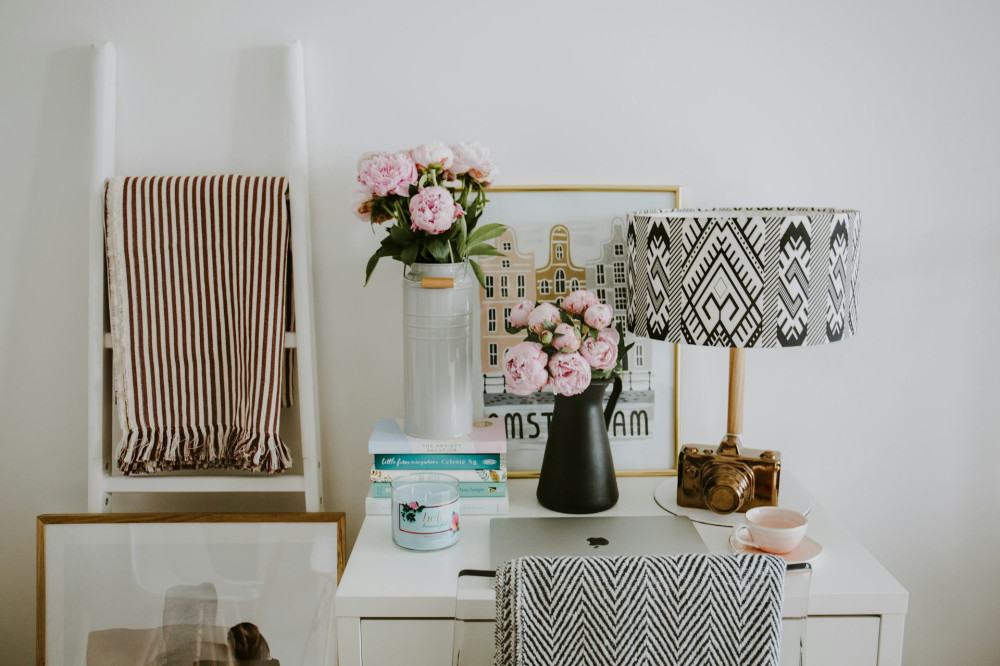
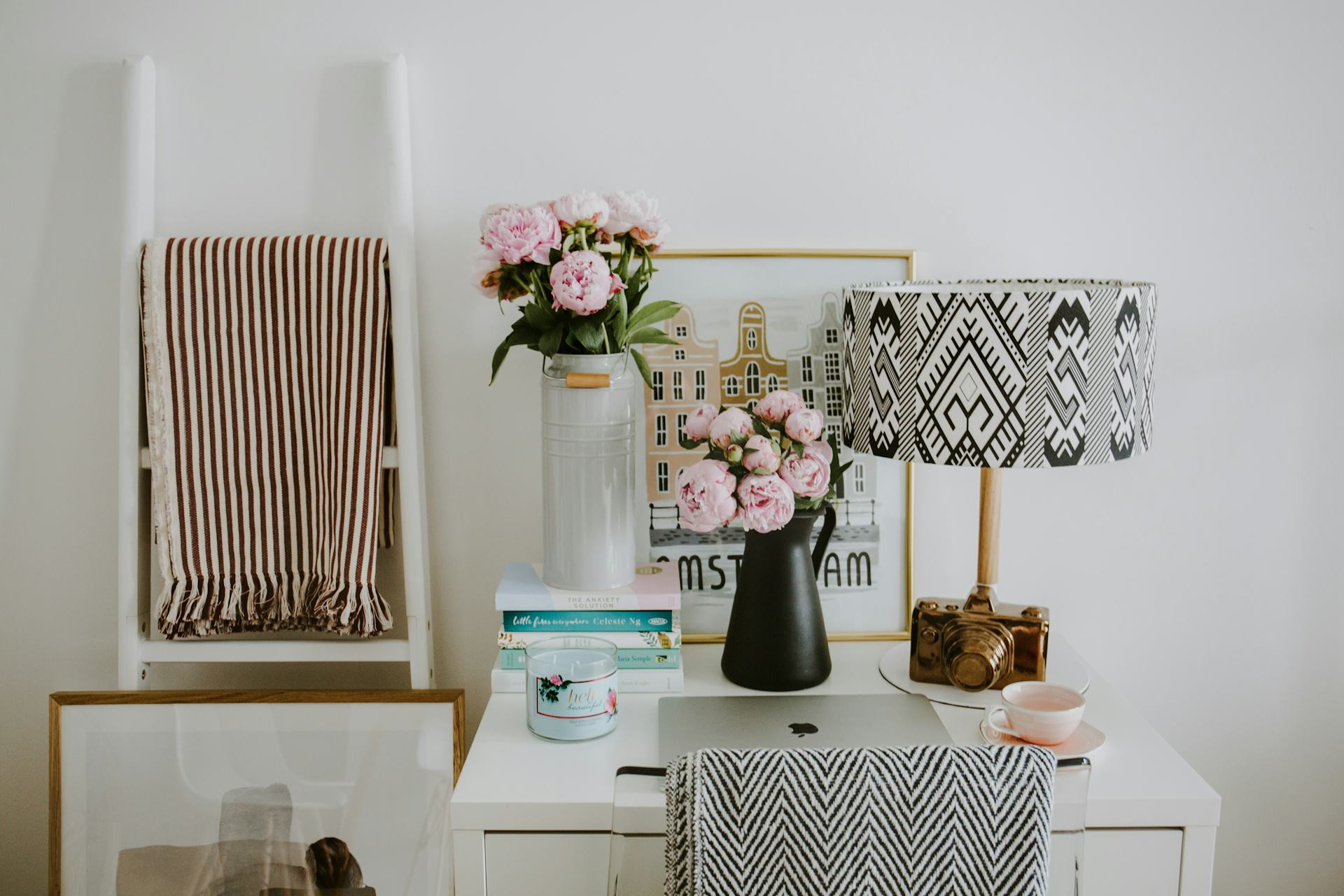
Your reading corner should feel as good as it looks. Choose lampshades made of fabric, frosted glass, or metal with a diffuser to soften the light. A dimmer switch is a great addition, allowing you to adjust brightness according to the time of day or your mood.
In Indian homes, wall colours and materials can vary widely. Light-coloured walls reflect light and make the space feel airy, while darker tones absorb light and may require stronger illumination. If you enjoy reading near a window, use sheer curtains to filter natural light and reduce glare during bright afternoons.
Take Breaks and Care for Your Eyes
Even with perfect lighting, your eyes need rest. Follow the 20-20-20 rule: every 20 minutes, look at something 20 feet away for 20 seconds. This helps your eyes relax and prevents fatigue.
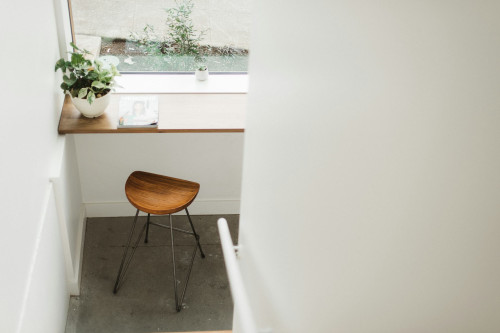
Natural daylight is the most comfortable for reading, so if possible, set up your reading corner near a window. Just make sure to avoid direct sunlight, which can cause reflections on glossy pages or screens.
Læs også:


Your Perfect Reading Corner Is Personal
There’s no single formula for the ideal reading corner. Some people prefer a warm, dim glow, while others like bright, crisp light. The key is to listen to your eyes – if you feel strain or discomfort, adjust your lighting.
With the right combination of light, placement, and atmosphere, you can create a reading corner that invites you to lose yourself in a good book for hours – without tiring your eyes.
Læs også: